




The Future of Manufacturing Workforce Development: Strategies for Success
The manufacturing industry is at a crossroads, driven by rapid advancements in technology, global competition, and a dynamic workforce. The focus is shifting from traditional production methods to a skills-driven approach where adaptability, innovation, and continuous learning are critical, supported by an advanced Learning Management System (LMS).
Manufacturers must proactively address workforce challenges, including upskilling, retention, and leveraging emerging technologies to remain competitive in a rapidly evolving landscape. Workforce strategies extend beyond operational efficiency to emphasize areas like advanced automation, digital literacy, diversity, and sustainable manufacturing practices. Ignoring these trends could result in significant talent gaps, reduced productivity, and loss of market share.
The Rise of Automation and Digital Skills in Manufacturing
Automation and Industry 4.0 technologies are reshaping the manufacturing workforce by augmenting human capabilities with robotics, artificial intelligence (AI), and Internet of Things (IoT). Key workforce strategies include:
- Upskilling workers:
Train employees in operating and maintaining advanced automated systems, leveraging tailored learning frameworks. - Providing digital literacy programs:
Enable employees to interpret data from IoT-enabled devices, tracking key metrics. - Developing AI-centric training:
Prepare teams for predictive maintenance and supply chain optimization using modern AI workflows.
By integrating automation with human expertise, manufacturers can achieve improved productivity, cost-efficiency, and operational resilience. Those who fail to adopt digital upskilling risk workforce obsolescence and reduced competitiveness.
“Automation will not replace jobs but redefine them—training will be key to unlocking new opportunities.”
Addressing the Skills Gap Through Workforce Development
The skills gap remains a critical challenge, with many manufacturers struggling to find talent equipped for today’s technological demands. Strategies to address this gap include:
- Partnering with educational institutions:
Design curricula aligned with industry needs. - Launching apprenticeship programs:
Develop technical skills in younger workers. - Reskilling initiatives:
Support experienced employees transitioning to new roles, tailored for enterprise training use cases.
Investing in workforce development programs will empower manufacturers to bridge the skills gap while fostering loyalty and reducing recruitment costs.
Sustainability and Green Manufacturing Skills
Sustainable practices are no longer optional, as environmental concerns and regulatory requirements dominate the manufacturing agenda. Workforce strategies must include:
- Training employees in sustainable techniques:
Focus on waste reduction and energy efficiency, adhering to strict compliance standards. - Integrating sustainability metrics:
Embed eco-friendly goals directly into production workflows. - Upskilling employees:
Meet green certification standards across all operational tiers.
Companies that embed sustainability into their workforce strategies will not only comply with regulations but also attract environmentally conscious customers and employees.
Diversity and Inclusion: Building a Future-Ready Workforce
Manufacturers are embracing diversity as a strategy to drive innovation and improve decision-making. Workforce strategies include:
- Recruitment initiatives:
Target underrepresented groups, including women and minorities. - Mentorship programs:
Support career development and leadership opportunities using comprehensive platform tools. - Inclusive workplace policies:
Foster collaboration and a strong sense of belonging.
Diversity drives creativity and innovation, making it a strategic imperative for manufacturers aiming to stay ahead in a competitive market.
Leveraging AR, VR, and AI for Training
Immersive technologies like augmented reality (AR), virtual reality (VR), and AI are transforming workforce training by providing hands-on learning experiences. Manufacturers will:
- Use AR and VR simulations:
Train employees in equipment handling and safety protocols. - Employ AI-driven learning platforms:
Deliver personalized skill development. - Create digital twins:
Facilitate real-time troubleshooting and performance optimization training.
These technologies reduce training costs, accelerate skill acquisition, and ensure safety during complex procedures.
“Immersive training technologies turn learning into a strategic advantage.”
Cross-Functional Collaboration and Teamwork Skills
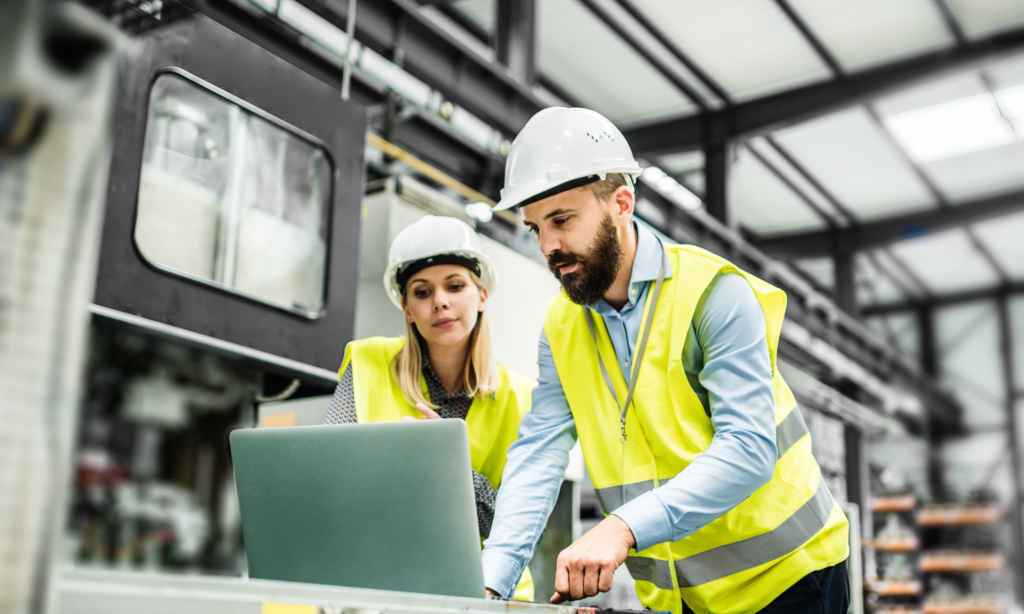
Manufacturing is no longer confined to the shop floor—it requires seamless collaboration across functions such as engineering, supply chain, and quality assurance. Key strategies include:
- Developing interdisciplinary training programs:
Promote teamwork and cross-departmental innovation. - Implementing collaboration tools:
Enhance communication between disparate teams. - Encouraging a culture of knowledge sharing:
Distribute expertise across all departments.
Manufacturers who foster cross-functional collaboration will unlock creative solutions and streamline operations.
“The future of manufacturing relies on collaborative teams driving innovative solutions.”
Retaining Talent Through Employee Engagement
Retention remains a challenge, especially in a competitive labor market. Workforce strategies to retain talent include:
- Offering career development pathways:
Motivate employees with clear growth trajectories. - Providing flexible work arrangements:
Enhance workplace safety and operational flexibility. - Implementing employee wellness programs:
Improve job satisfaction and overall productivity.
By prioritizing employee engagement, manufacturers can reduce turnover, retain institutional knowledge, and build a resilient workforce.
Global Workforce Trends and Remote Operations
Manufacturers operating across borders face unique challenges in managing a global workforce. Strategies include:
- Standardizing training programs:
Ensure consistency in skills across international locations. - Utilizing remote monitoring technologies:
Oversee global operations efficiently. - Developing cultural competency training:
Equip managers and employees for cross-cultural success.
Manufacturers who embrace global workforce trends will streamline operations, improve efficiency, and strengthen global competitiveness.
“A globally connected workforce is key to unlocking manufacturing potential.”
The Future of Manufacturing Workforce Development: Preparing for Success
The manufacturing industry’s success will depend on how effectively companies address workforce challenges and leverage emerging trends. To stay ahead, manufacturers must:
- Invest in digital upskilling to adapt to Industry 4.0 technologies.
- Close the skills gap through education, training, and reskilling programs.
- Embrace sustainability as a core component of workforce strategies.
- Foster diversity and inclusion to drive innovation and collaboration.
- Leverage immersive technologies for cost-effective and impactful training.
By adopting these strategies, manufacturers can build a skilled, resilient, and future-ready workforce capable of navigating an increasingly complex and competitive landscape.
Is your manufacturing workforce ready? Get started with SimpliTrain today. Book a demo or contact us to learn more.