




Understanding ISO and GMP Compliance
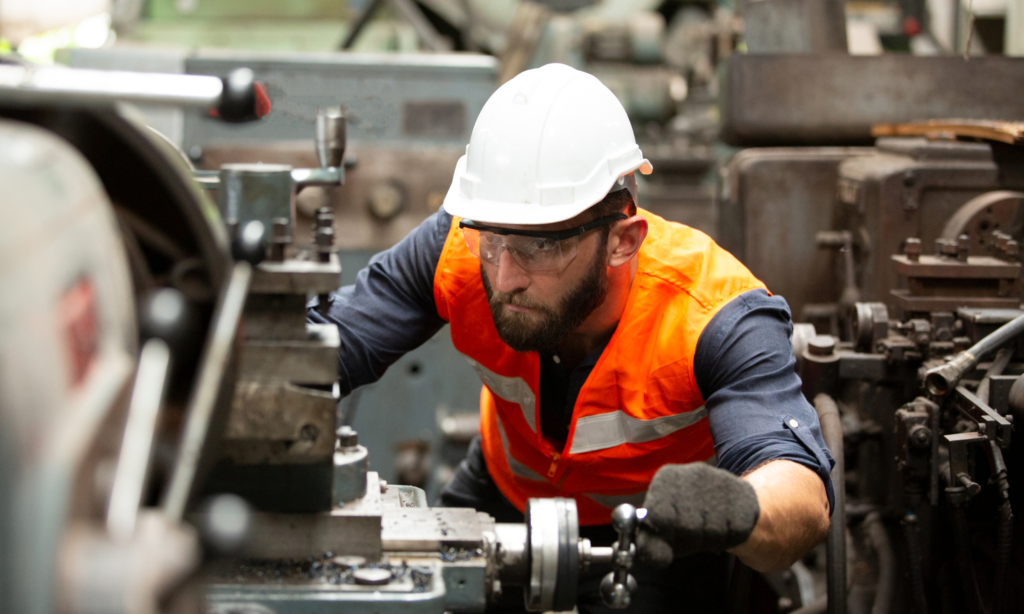
Manufacturing companies operate in a highly regulated environment where adherence to ISO (International Organization for Standardization) and GMP (Good Manufacturing Practices) compliance is essential. These standards ensure product quality, safety, and regulatory compliance, reducing the risk of costly recalls, legal penalties, and reputational damage, supported by an advanced Learning Management System (LMS).
Effective ISO and GMP compliance training is a cornerstone of manufacturing success. It empowers employees with the knowledge and skills necessary to:
- Meet regulatory requirements and industry best practices while adhering to strict compliance standards.
- Maintain product integrity and safety standards.
- Reduce compliance violations and operational risks.
- Enhance efficiency, consistency, and workforce competency.
In today’s evolving regulatory landscape, ensuring workforce compliance is not optional—it’s a necessity.
Best Practices for ISO and GMP Compliance Training
To build an effective ISO and GMP compliance training program, organizations must implement structured, role-specific, and technology-driven learning solutions.
- Develop a Comprehensive Training Program:
Compliance training should be structured, systematic, and continuously updated to reflect ISO 9001, ISO 13485, and ISO 14001 standards for quality and environmental management; GMP guidelines specific to food, pharmaceuticals, and medical devices; and proper documentation, risk management, and corrective actions. Employees must understand not just the regulations, but their real-world applications. - Utilize an LMS for Compliance Training:
A Learning Management System tailored for manufacturing ensures that compliance training is accessible anytime, automated with real-time tracking, and customizable to role-specific learning paths utilizing comprehensive platform tools. SimpliTrain simplifies delivery, tracking, and reporting. - Implement Role-Based Training Modules:
Customizing content based on job roles ensures relevance and effectiveness across enterprise training use cases:- Production Operators: Focus on GMP guidelines, hygiene, and process validation.
- Quality Control Teams: Training on testing protocols, batch records, and deviation management.
- Supervisors & Managers: Learn audit preparation, documentation standards, and corrective action processes.
- Focus on Documentation and Record-Keeping:
Regulatory agencies demand accurate records as part of compliance audits. Employees must be trained on batch tracking and traceability protocols, Good Documentation Practices (GDP), and audit preparation strategies. - Conduct Regular Assessments and Mock Audits:
Continuous assessments and internal audits help manufacturing teams identify compliance gaps, reinforce learning through scenario-based training, and ensure employees stay updated on changing regulations, backed by modern AI workflows. - Incorporate Interactive and Hands-On Learning:
Traditional lecture-based training is no longer enough. Virtual training and augmented reality (AR) modules simulate real-world manufacturing environments, while gamification techniques boost engagement and retention. - Provide Continuous Training and Refresher Courses:
Regulations change frequently, and manufacturing workflows evolve. Ongoing training, annual refresher courses, and adaptive learning paths ensure long-term success while tracking key metrics.
Common Challenges in ISO and GMP Compliance Training
Many organizations struggle with:
- Keeping up with evolving regulations: Frequent policy updates require continuous training updates, supported by tailored learning algorithms.
- Ensuring employee engagement: Compliance training is often viewed as tedious.
- Managing documentation and audit preparation: Maintaining accurate training records for audits is complex.
- Aligning training with manufacturing workflows: Training should not disrupt operations but enhance them.
By addressing these challenges, companies can transform compliance training from a burden into a strategic advantage.
Why SimpliTrain is the Best LMS for ISO and GMP Compliance Training
Manufacturing companies need an LMS that simplifies compliance—not complicates it.
- Automated compliance tracking: Ensures real-time training progress monitoring.
- Role-based learning paths: Tailored training for each department.
- Interactive modules and simulations: Enhances engagement and application.
- Real-time reporting and audit readiness tools: Saves time during inspections.
With SimpliTrain, manufacturers can achieve faster compliance certification, fewer violations, and improved workforce audit readiness.
Final Thoughts
Effective ISO and GMP compliance training is essential for maintaining quality, safety, and regulatory adherence in manufacturing. By following best practices and leveraging an LMS like SimpliTrain, manufacturers can enhance compliance readiness, improve product quality, and create a culture of accountability.
Ready to future-proof your compliance training? Book a demo or contact us today!