





Mastering Training Compliance Management: Overcoming Regulatory Challenges
What Is Training Compliance Management?
Training compliance management is the process of planning, delivering, tracking, documenting, and reporting employee training required by regulatory bodies, industry standards, or internal policies.
Examples include:
- Workplace safety training
- Data privacy training
- Healthcare compliance training
- Financial services regulations
- Cybersecurity awareness programs
- Anti-harassment training
The goal is to ensure employees remain compliant while providing organizations with verifiable records for audits and inspections.
Industry Snapshot
- Nearly 60% of organizations cite compliance requirements as a primary driver of employee training initiatives across various enterprise training workflows.
- Companies operating in regulated industries face increasing scrutiny regarding training records and audit readiness.
According to compliance and L&D research, organizations with centralized training records are significantly better prepared for audits than those relying on manual tracking systems.
“Compliance training is only effective if organizations can demonstrate completion and accountability.”
Why Compliance Training Often Breaks
Many organizations invest heavily in compliance content but overlook the systems needed to manage it. The result is operational chaos.
1. Manual Tracking Creates Errors
When training records are maintained through spreadsheets and email chains, mistakes become inevitable. Common issues include:
- Missing completion records
- Expired certifications
- Duplicate training assignments
- Inaccurate reporting
2. Training Scheduling Becomes Complex
Compliance training often involves:
- Recurring certifications
- Annual refreshers
- Department-specific requirements
- Instructor-led sessions
Managing these requirements manually becomes increasingly difficult.
By the Numbers
Training administrators spend a significant portion of their time coordinating schedules, reminders, and attendance tracking.
“Poor training scheduling is one of the most common causes of compliance gaps.”
3. Multiple Systems Create Visibility Problems
Many organizations use separate systems for learning delivery, attendance tracking, reporting, and certification management. As a result, compliance data becomes fragmented.
Managers struggle to answer simple questions:
- Who completed training?
- Who is overdue?
- Which certifications expire next month?
“Compliance risk increases when training data is scattered across multiple platforms.”
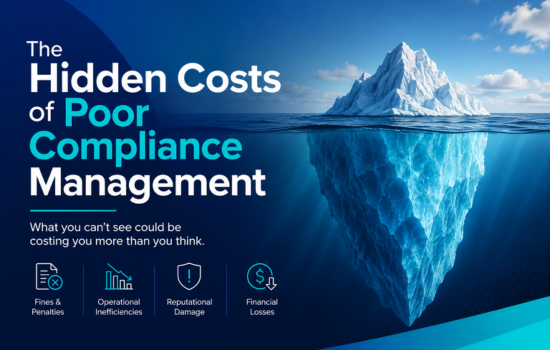
The Hidden Costs of Poor Compliance Management
The consequences extend beyond missed training sessions. Organizations may face:
- Regulatory Penalties:
Failure to maintain required training records can lead to fines, legal exposure, and regulatory action. - Operational Disruption:
Last-minute compliance issues often force organizations to divert resources toward corrective actions. - Audit Stress:
Without centralized records, preparing for audits becomes time-consuming and resource-intensive. - Employee Frustration:
Repeated reminders, duplicate assignments, and unclear requirements negatively impact learner engagement.
Industry Snapshot
Research consistently shows that organizations with automated compliance processes spend less time preparing for audits and more time focusing on workforce development.
“The cost of poor compliance management often exceeds the cost of implementing a proper system.”
How Training Software Management Solves Compliance Challenges
Modern Learning Management System (LMS) and training software management platforms help organizations automate compliance processes from end to end, supported by comprehensive platform tools.
Centralized Training Records
All training data is stored in one location, creating a single source of truth. Benefits include:
- Accurate reporting
- Easy audit preparation
- Better visibility
Automated Training Scheduling
Training systems can automatically assign courses, schedule sessions, send reminders, and notify managers. This reduces administrative workload while improving completion rates.
Industry Insight
Employees are significantly more likely to complete required training when automated reminders and notifications are used, ensuring adherence to strict compliance standards.
“Automation reduces missed deadlines and improves compliance participation.”
Real-Time Compliance Tracking
Managers gain immediate visibility into completion status, certification expirations, compliance gaps, and department-level performance by monitoring key metrics. This enables proactive intervention before issues become risks.
Simplified Audit Readiness
Instead of gathering records from multiple systems, organizations can generate compliance reports instantly. For regulated industries, this capability can dramatically reduce audit preparation time across multi-location operations.
“The best time to prepare for an audit is before one happens.”
Best Practices for Managed Training Compliance
Organizations looking to strengthen compliance management should:
- Standardize Training Requirements:
Create clear compliance pathways for each role using tailored learning frameworks. - Automate Recurring Training:
Schedule certifications and refreshers automatically. - Use Centralized Reporting:
Maintain all records in one system. - Monitor Compliance Regularly:
Track completion rates and certification status continuously. - Integrate Learning and Compliance Data:
Connect training outcomes with workforce management systems whenever possible.
The Future of Compliance Training Management
Compliance management is becoming increasingly data-driven, heavily supported by modern AI workflows. Emerging trends include:
- AI-powered compliance monitoring
- Predictive certification tracking
- Automated risk alerts
- Personalized compliance learning paths
Organizations are moving beyond simple completion tracking toward proactive compliance management.
Future Outlook
The global learning management and compliance technology market continues to grow as organizations seek better visibility, automation, and audit readiness. The future of compliance isn’t more administration; it’s smarter automation.
Conclusion
Training compliance management is no longer just an administrative responsibility. It is a critical business function that protects organizations from regulatory risk, operational disruption, and audit failures.
Without a centralized system, even the most carefully designed training programs can break under the weight of scheduling challenges, manual tracking, and fragmented data.
Organizations that invest in effective training software management gain better visibility, stronger compliance performance, improved training scheduling, and greater confidence during audits.
In today’s regulatory environment, compliance training isn’t simply about delivering learning; it’s about managing the entire process from assignment to verification.
Ready to automate and secure your training compliance? Book a demo or contact us today to get started with SimpliTrain!
Frequently Asked Questions (FAQs)
What is training compliance management?
Training compliance management is the process of tracking, managing, and documenting employee training required for regulatory or organizational compliance.
Why is compliance training difficult to manage manually?
Manual processes often lead to missed deadlines, incomplete records, scheduling conflicts, and reporting errors.
How does training software management improve compliance?
It automates scheduling, tracking, reporting, reminders, and certification management from a single platform.
What are the risks of poor compliance training management?
Organizations may face audit issues, regulatory penalties, operational disruptions, and increased administrative workload.
Why is training scheduling important for compliance?
Effective training scheduling ensures employees complete required training on time and maintain active certifications.