





What Are Staff Training Programs?
Staff training programs are structured learning initiatives designed to help employees develop the knowledge, skills, and behaviors needed to perform effectively in their roles.
Unlike one-time workshops or ad hoc training sessions, modern staff training programs include:
- Defined learning objectives
- Training schedules
- Progress tracking
- Performance measurement
- Continuous reinforcement
- Alignment with business goals
Effective programs support employees throughout their lifecycle, from onboarding and compliance training to leadership development and technical upskilling.
The State of Employee Training in 2026
The workplace skills landscape is changing rapidly. According to the World Economic Forum’s Future of Jobs Report, nearly 44% of workers’ skills are expected to be disrupted within the next five years, making continuous learning a strategic necessity rather than a benefit.
Source: https://www.weforum.org/reports/the-future-of-jobs-report-2025
Key Training Statistics for 2026
Organizations with strong learning cultures are 92% more likely to innovate.
Companies that invest heavily in employee development experience 24% higher profit margins.
Employees are significantly more likely to remain with organizations that provide clear career development opportunities.
Skill-based organizations are increasingly outperforming traditional role-based workforce models.
These trends demonstrate why scalable employee training is becoming a boardroom priority.
Why Most Training Programs Fail to Scale
Many organizations launch training initiatives with good intentions but encounter the same recurring challenges.
1. Manual Administration
Training managers spend excessive time:
- Coordinating sessions
- Sending reminders
- Managing attendance
- Updating records
As workforce size grows, administration becomes unsustainable.
2. Scheduling Conflicts
Without efficient training scheduling, employees struggle to attend sessions while balancing daily responsibilities.
3. Inconsistent Delivery
Different facilitators, locations, or departments often produce different learning experiences.
4. Limited Visibility
Leaders frequently lack insight into:
- Completion rates
- Skill gaps
- Learning progress
- Business outcomes
5. Poor Learner Engagement
Employees disengage when training feels disconnected from their actual work.
Stat Spotlight
Organizations with comprehensive training strategies report significantly higher employee engagement and productivity compared to companies with fragmented learning initiatives.
Research from the Association for Talent Development (ATD) shows that companies with formalized learning programs generate substantially higher revenue per employee than those with less structured approaches.
Source: https://www.td.org
Core Components of a Scalable Staff Training Program
Successful staff training programs operate as integrated systems rather than standalone events.
Strategic Alignment – Every training initiative should support business objectives such as:
- Revenue growth
- Customer satisfaction
- Digital transformation
- Compliance
- Leadership succession
Standardized Processes – Scalable programs establish repeatable workflows for:
- Registration
- Scheduling
- Delivery
- Assessment
- Reporting
Technology Infrastructure – Training software management enables organizations to automate and centralize learning operations.
Continuous Measurement – Organizations should evaluate:
- Participation
- Knowledge retention
- Behavior change
- Business outcomes
Types of Staff Training Programs Every Organization Needs
Employee Onboarding
New hires need structured onboarding to become productive quickly.
Effective onboarding covers:
- Company culture
- Systems and tools
- Policies
- Role expectations
- Team integration
Organizations with strong onboarding programs often achieve higher retention and faster productivity.
Compliance Training
Compliance training ensures employees understand:
- Workplace safety
- Data privacy regulations
- Ethical standards
- Industry-specific requirements
Automation is increasingly essential for tracking completion and certification requirements.
Technical Skills Training
Technical training supports:
- Software adoption
- Digital transformation
- AI implementation
- Role-specific expertise
As technology evolves, technical upskilling has become one of the largest areas of corporate learning investment.
Leadership Development
Future leaders require skills in:
- Strategic thinking
- Coaching
- Communication
- Change management
- Decision-making
Leadership development creates a sustainable talent pipeline while reducing reliance on external hiring.
Soft Skills Training
High-performing organizations invest heavily in:
- Collaboration
- Emotional intelligence
- Problem-solving
- Conflict resolution
- Communication
These capabilities remain critical despite increasing automation.
The Role of Managed Training in Modern Organizations
As training programs grow, administration becomes increasingly complex.
This is where managed training solutions provide value.
Managed training services help organizations:
- Coordinate training delivery
- Manage instructors
- Handle logistics
- Track attendance
- Generate reports
- Optimize learning operations
Instead of building administrative capabilities internally, organizations can streamline operations while focusing on strategic workforce development.
For businesses scaling rapidly, managed training often reduces operational complexity while improving consistency.
Why Managed Training Is Growing
Industry analysts increasingly identify training administration as one of the biggest barriers to learning scalability.
Organizations are shifting toward managed models because they provide:
- Operational efficiency
- Cost control
- Better reporting
- Improved learner experiences
- Faster program deployment
Training Scheduling: The Hidden Bottleneck
Many training programs fail because employees simply cannot attend at the right time.
Poor scheduling creates:
- Missed sessions
- Resource conflicts
- Instructor inefficiencies
- Low completion rates
Best Practices for Training Scheduling
Segment Audiences – Schedule training based on:
- Departments
- Roles
- Locations
- Shift patterns
Automate Notifications – Automated reminders improve attendance and reduce administrative workload.
Balance Live and Self-Paced Learning – Blended approaches allow employees to learn without disrupting productivity.
Monitor Utilization – Track:
- Attendance rates
- Session demand
- Instructor availability
Efficient scheduling is often one of the quickest ways to improve training performance.
Stat Spotlight
According to industry learning reports, organizations that automate learning operations and scheduling experience significantly higher completion rates and reduced administrative effort compared to those relying on manual processes.
Source: https://www.trainingindustry.com
How Training Software Management Improves Outcomes
Training programs generate large volumes of data.
Without centralized management, organizations struggle to maintain visibility and control.
Key Benefits of Training Software Management
Centralized Learning Administration
Manage:
- Courses
- Registrations
- Certifications
- Attendance
- Reporting
- from a single platform.
Automated Workflows
Reduce manual effort through:
- Enrollment automation
- Reminder notifications
- Completion tracking
- Certification renewals
Better Reporting
Leaders gain real-time visibility into:
- Learning participation
- Skill development
- Compliance status
- Training effectiveness
Scalability
Organizations can support thousands of learners without dramatically increasing administrative workload.
Building a Staff Training Program Framework
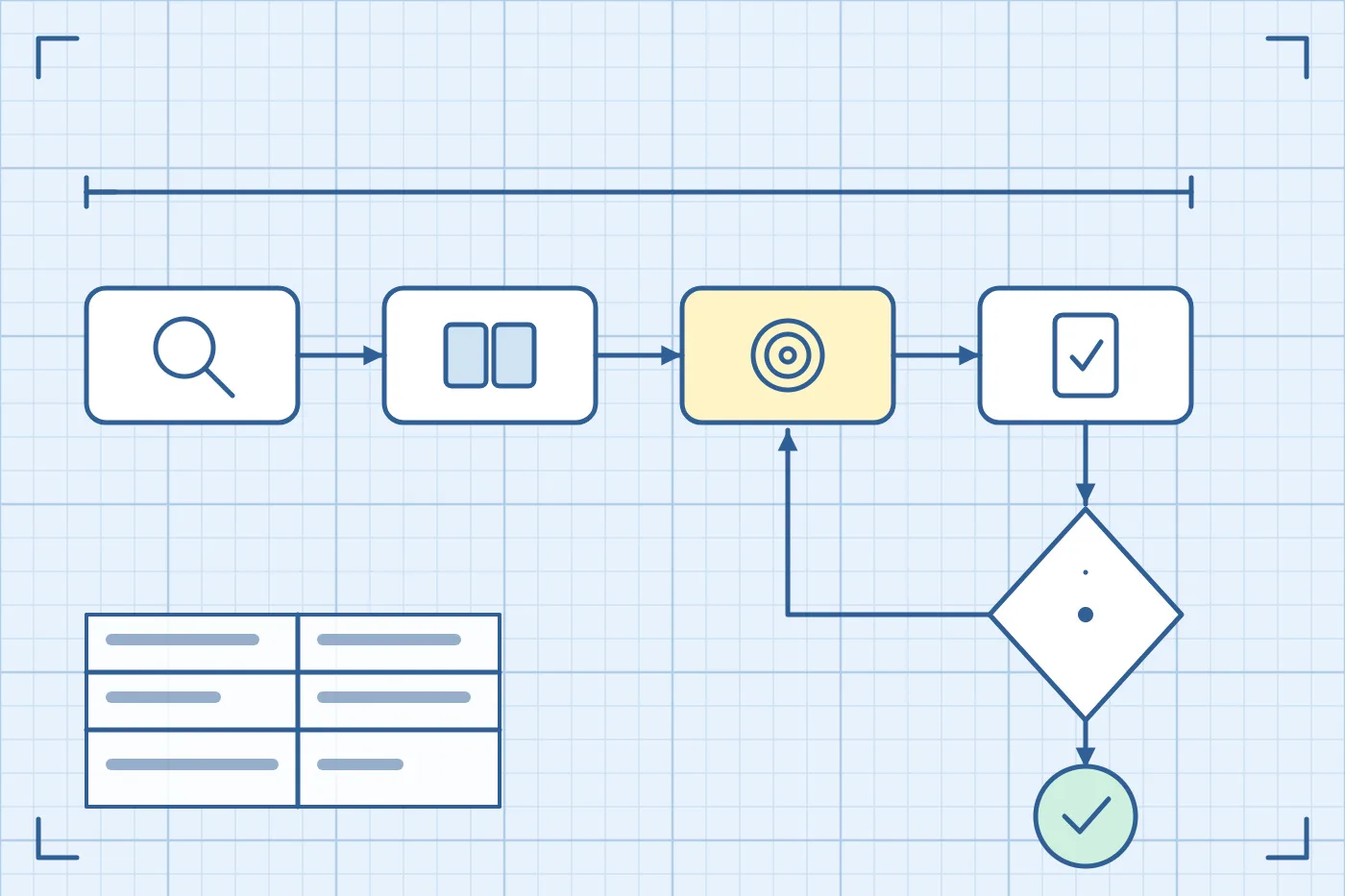
A scalable training framework follows five steps.
Step 1: Assess Skill Gaps
Identify gaps through:
- Performance reviews
- Surveys
- Assessments
- Manager feedback
Step 2: Define Learning Objectives
Objectives should be measurable and business-focused.
Examples:
- Reduce onboarding time by 20%
- Increase software adoption by 30%
- Improve compliance completion to 98%
Step 3: Design Learning Paths
Create role-based learning journeys rather than isolated courses.
Step 4: Implement Technology
Use training software management platforms to automate operations.
Step 5: Measure and Optimize
Regularly evaluate outcomes and refine programs.
Measuring Training Success and ROI
Completion rates are only the starting point.
Organizations should measure:
Learning Metrics
- Enrollment
- Attendance
- Completion
- Assessment scores
Performance Metrics
- Productivity improvements
- Sales performance
- Error reduction
- Customer satisfaction
Business Metrics
- Retention rates
- Revenue growth
- Compliance performance
- Operational efficiency
A scalable training program connects learning outcomes directly to business results.
Future Trends in Employee Training
Several trends will define staff training programs in 2026 and beyond.
- AI-Powered Personalization – Training experiences will increasingly adapt to individual learner needs.
- Skills-Based Workforce Planning – Organizations will prioritize skills development over traditional job structures.
- Learning in the Flow of Work – Training will be embedded directly into daily workflows.
- Predictive Learning Analytics – AI-driven analytics will identify skill gaps before performance issues emerge.
- Hybrid Learning Ecosystems – Blended learning models will become the standard approach for workforce development.
Final Thoughts
In 2026, organizations can no longer rely on fragmented learning initiatives to develop talent at scale. Successful staff training programs combine strategic planning, managed training operations, efficient training scheduling, and modern training software management to create measurable business impact.
The organizations that win will be those that treat employee training as an ongoing business capability, not a periodic event.
If you’re looking to streamline training operations, improve scheduling efficiency, and scale workforce development, explore the latest training management solutions and resources.
FAQ
What are staff training programs?
Staff training programs are structured initiatives that help employees develop the skills, knowledge, and behaviors required to perform effectively and support organizational goals.
Why are staff training programs important?
They improve productivity, employee retention, compliance, workforce readiness, and overall business performance.
What is managed training?
Managed training refers to outsourced or centrally coordinated training operations that handle scheduling, administration, reporting, and logistics for learning programs.
How does training software management help organizations?
Training software management automates learning administration, improves reporting, supports compliance tracking, and enables training programs to scale efficiently.
What is the best training format for employees?
The best approach is typically blended learning, combining instructor-led training, self-paced learning, and digital learning experiences based on workforce needs.